

Vietnam has emerged as one of Southeast Asia’s most captivating destinations, drawing travelers from around the world with its rich history, stunning landscapes, delicious cuisine, and warm hospitality. For Irish citizens planning to explore this fascinating country, understanding the visa requirements and application process is the first step toward an unforgettable journey. This comprehensive guide covers everything you need to know about obtaining a Vietnam visa for Irish citizens, ensuring your travel preparations are smooth and stress-free.
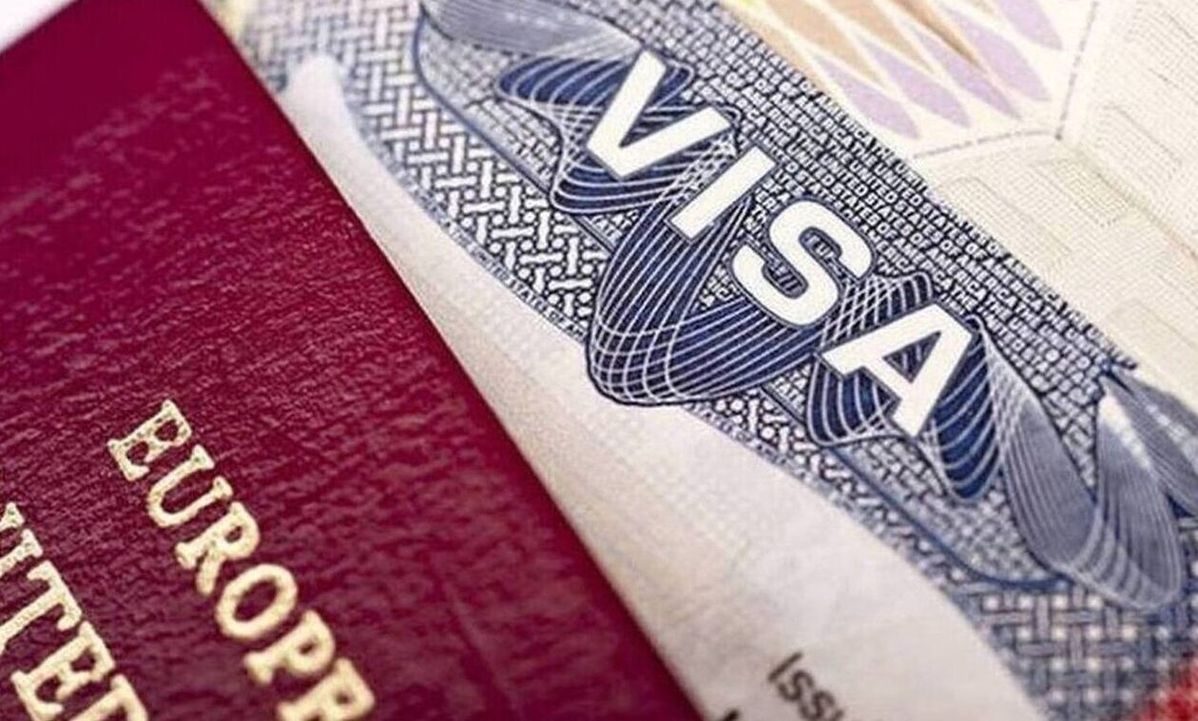
Do Irish Citizens Need a Visa for Vietnam?
Yes, Irish passport holders are required to obtain a visa before entering Vietnam. Unlike citizens of some countries who benefit from visa exemption agreements, Irish citizens must secure proper travel authorization regardless of their intended length of stay or purpose of visit. This requirement applies whether you’re traveling for tourism, business, visiting family, or any other reason.
However, the Vietnamese government has made significant strides in simplifying the visa application process, introducing multiple convenient options that allow Irish travelers to obtain their visas quickly and efficiently without the need to visit an embassy in person.
Understanding Your Vietnam Visa Options
Irish citizens have several pathways to obtain a Vietnam visa, each designed to accommodate different travel needs, timelines, and preferences. The main options include the electronic visa (e-visa), visa on arrival, and traditional embassy visa applications.
The E-Visa: Digital Convenience at Your Fingertips
The Vietnam e-visa represents the most modern and convenient option for Irish citizens. This fully digital process eliminates the need for embassy visits or mailing your passport, allowing you to complete the entire application from the comfort of your home in Ireland.
The e-visa system was initially introduced as a pilot program but has now become a permanent fixture of Vietnam’s immigration system, continually expanding to include more nationalities and entry points. For Irish citizens, this option provides a streamlined pathway to obtaining travel authorization.
Key Features of the E-Visa:
The validity period for e-visas extends up to 90 days, giving Irish travelers ample time to explore Vietnam’s diverse regions from north to south. You can choose between single entry and multiple entry options depending on your travel plans.
Entry points for e-visa holders include all major international airports, land border crossings, and seaports throughout Vietnam. This flexibility means you can fly into Hanoi or Ho Chi Minh City, cross overland from Cambodia or Laos, or even arrive by cruise ship.
Processing times are remarkably quick, with most e-visa applications for Irish citizens approved within three business days. In many cases, approval comes even faster, sometimes within 24 hours.
The application process is entirely online, requiring only a valid passport, a digital passport photo, and a credit or debit card for payment. No physical documents need to be mailed, and you receive your approved e-visa via email.

Visa on Arrival: Airport Convenience
The visa on arrival option offers another convenient alternative for Irish citizens, though it’s important to understand that this isn’t a true “visa on arrival” in the traditional sense. Instead, it’s a two-step process that combines pre-approval with airport collection.
How Visa on Arrival Works:
First, you work with a licensed visa service provider like Entry Vietnam Visa to obtain a visa approval letter. This letter is issued by the Vietnam Immigration Department and confirms your pre-approval to receive a visa stamp upon arrival.
When you land at one of Vietnam’s international airports (Hanoi’s Noi Bai, Ho Chi Minh City’s Tan Son Nhat, Da Nang, Nha Trang Cam Ranh, or Hai Phong Cat Bi), you proceed to the dedicated visa on arrival counter before passing through regular immigration.
At this counter, you present your approval letter, passport, completed application form, passport photos, and payment for the stamping fee. Airport immigration officials then stamp your passport with the official visa.
This option is particularly advantageous for Irish citizens who need longer validity periods, as visa on arrival can be issued for durations up to one year with multiple entry privileges, making it ideal for frequent visitors or those planning extended stays.
Embassy Application: The Traditional Route
Irish citizens also have the option of applying for a Vietnam visa through the Vietnamese Embassy in London, which has consular jurisdiction over Ireland. This traditional method involves submitting your passport and application documents in person or by post.
While this approach is reliable and well-established, it requires more time and effort compared to digital alternatives. You must send your physical passport to the embassy, wait for processing, and arrange for its return. The process typically takes one to two weeks, though expedited services may be available for urgent applications.
Most Irish travelers find the e-visa or visa on arrival options more convenient unless they have specific circumstances that require embassy processing, such as diplomatic or official travel.
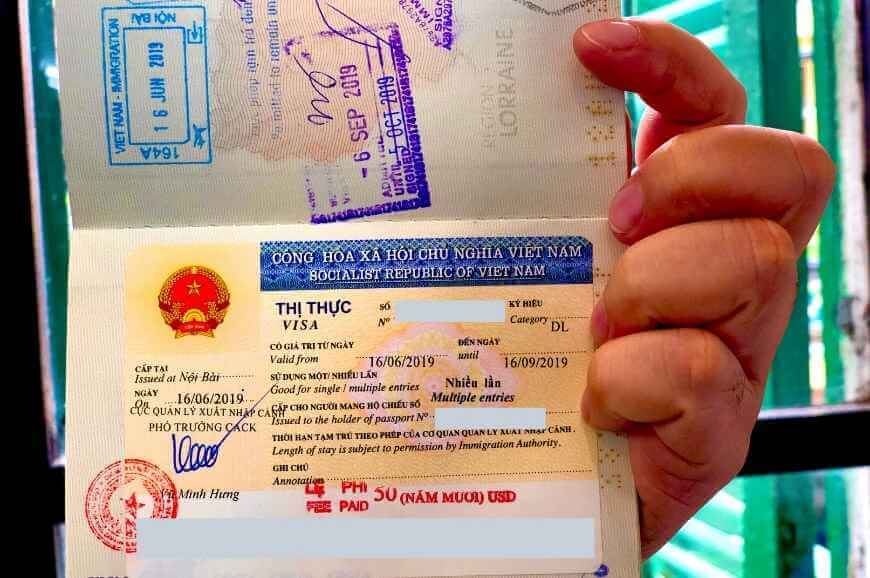
Step-by-Step Guide: Applying for Your Vietnam E-Visa
For most Irish citizens, the e-visa represents the optimal balance of convenience, speed, and cost-effectiveness. Here’s a detailed walkthrough of the application process:
Step 1: Prepare Your Documents
Before beginning your application, gather the necessary documents. You’ll need a passport valid for at least six months beyond your intended date of entry into Vietnam. Check your passport expiration date carefully, as airlines may deny boarding if your passport doesn’t meet this requirement.
You’ll also need a digital passport photo meeting Vietnam’s specifications: a recent color photograph showing your full face against a plain white or light-colored background. The photo should be clear and in focus, with no glasses, hats, or other accessories unless worn for religious or medical reasons.
Finally, ensure you have a valid credit or debit card for payment. Most major card networks are accepted, including Visa, Mastercard, and American Express.
Step 2: Complete the Online Application
Visit the official Vietnam e-visa portal or use a reputable visa service provider like Entry Vietnam Visa, which offers enhanced support and guidance throughout the application process.
Fill out the online form with accurate information matching your passport exactly. Pay special attention to details like your full name, passport number, date of birth, and nationality. Even minor discrepancies between your application and passport can lead to delays or rejection.
Select your intended dates of entry and exit from Vietnam. While you don’t need to have exact travel dates finalized, you should have a general timeframe in mind. The e-visa validity period begins on the date you specify as your intended entry date.
Choose between single entry and multiple entry based on your travel plans. If you’re planning to visit neighboring countries like Cambodia or Laos and return to Vietnam, the multiple entry option provides valuable flexibility.
Step 3: Upload Your Documents
Upload clear, high-resolution scans or photos of your passport biographical page and your passport photo. Ensure these images are legible and meet the specified file size requirements. Poor quality uploads are a common reason for application delays.
Step 4: Pay the Application Fee
Submit payment through the secure online payment gateway. Government e-visa fees are standardized, though rates vary depending on whether you select single or multiple entry and the validity period. Using a service provider like Entry Vietnam Visa may involve an additional service fee, but this often includes benefits like application review, faster processing, and customer support.
Step 5: Receive Your E-Visa
Once your application is submitted, the processing begins. Most Irish citizens receive their e-visa approval within 72 hours, though it often comes faster. You’ll receive an email notification when your e-visa is ready.
Download the approved e-visa document and print at least two copies. Keep one with your travel documents and store another separately in case the first is lost. Many travelers also save a digital copy on their smartphone for backup.
When you arrive in Vietnam, present your printed e-visa along with your passport at immigration. The officer will verify your documents and stamp your passport with the entry stamp.
Applying Through Entry Vietnam Visa: Enhanced Support for Irish Citizens
While Irish citizens can apply for e-visas directly through the government portal, working with an established service provider like Entry Vietnam Visa offers several distinct advantages that make the process even smoother.
Expert Application Review
One of the primary benefits is having visa experts review your application before submission. Common mistakes like misspelled names, incorrect passport numbers, or improperly formatted photos can derail applications. Entry Vietnam Visa’s team checks every detail to ensure accuracy, significantly reducing the risk of rejection.
Simplified Process
The Entry Vietnam Visa platform is designed with user experience in mind, offering an intuitive interface that guides Irish applicants through each step. Clear instructions in English eliminate confusion about requirements or procedures.
Faster Processing Options
While standard e-visa processing takes up to three business days, Entry Vietnam Visa offers expedited services for urgent travel needs. Rush processing can deliver your approved e-visa within 24 hours, while super-rush options may provide approval within just a few hours for truly last-minute situations.
Dedicated Customer Support
Questions or concerns can arise at any stage of the application process. Entry Vietnam Visa provides responsive customer support via email, phone, and live chat, with representatives knowledgeable about the specific needs and common questions of Irish travelers. This support extends from the initial application through your arrival in Vietnam.
Visa on Arrival Services
For Irish citizens who prefer the visa on arrival option or need longer validity periods beyond what e-visas offer, Entry Vietnam Visa specializes in providing approval letters efficiently. Their established relationships with Vietnam’s Immigration Department ensure reliable processing and approval.
Cost Breakdown: What Irish Citizens Should Expect to Pay
Understanding the costs involved helps you budget appropriately for your Vietnam visa. The total expense depends on the visa type, validity period, and whether you use a service provider.
E-Visa Costs
Government e-visa fees for Irish citizens typically range from 25 to 50 USD for single entry visas valid for 30 days, and 50 to 100 USD for multiple entry or longer validity periods. These fees are paid online during the application process.
If you use Entry Vietnam Visa or another service provider, expect an additional service fee usually ranging from 10 to 30 USD depending on the processing speed you select. This fee covers application review, expedited processing options, and customer support.
Visa on Arrival Costs
The visa on arrival process involves two separate fees. First, you pay for the approval letter through your service provider, typically costing 15 to 50 USD depending on validity period and processing speed.
Second, upon arrival at the Vietnamese airport, you pay a stamping fee in cash (US dollars only) directly to immigration officials. This fee ranges from 25 USD for single entry visas to 50 USD or more for multiple entry options, depending on the validity period you’ve selected.
Embassy Visa Costs
Applying through the Vietnamese Embassy in London involves consular fees that vary based on visa type and processing speed. Standard processing fees are comparable to e-visa costs, but you must also factor in shipping costs for sending your passport to and from the embassy if you’re not applying in person.
Important Tips for Irish Travelers
Timing Your Application
While e-visa processing is generally quick, it’s wise to apply at least one week before your intended departure date. This buffer provides peace of mind and accommodates any unexpected delays. For visa on arrival, the approval letter process is similarly quick, but applying early is always advisable.
Avoid applying too far in advance, as your e-visa validity period begins on the entry date you specify, not the approval date. Applying months ahead when your travel dates aren’t finalized could result in your visa expiring before you actually travel.
Passport Validity Requirements
Vietnam requires that Irish passports be valid for at least six months beyond your intended date of entry. Airlines enforce this rule strictly and may deny boarding if your passport doesn’t meet this requirement, even if you have a valid visa. If your passport is approaching expiration, renew it before applying for your Vietnam visa.
Accuracy is Critical
Immigration authorities take document accuracy very seriously. Ensure that all information on your visa application matches your passport exactly, including the order of names, spelling, and punctuation. Even small discrepancies can cause problems at immigration.
Keep Copies of Everything
Always carry printed copies of your e-visa or approval letter, and keep digital backups on your phone or in cloud storage. Passport copies are also wise to have in case of loss or theft during your trip.
Understanding Visa Validity vs. Stay Duration
Many travelers confuse visa validity with permitted stay duration. Your visa validity period indicates when you’re allowed to enter Vietnam, while the stay duration specifies how long you can remain in the country from your entry date.
For example, a 90-day multiple entry e-visa allows you to enter Vietnam multiple times within 90 days from the start date, with each stay limited to 90 days or as specified on your visa. Pay attention to both dates to avoid overstaying, which can result in fines and complications with future travel.
Entry and Exit Points
Confirm that your intended entry point accepts your visa type. E-visas are valid at all Vietnamese international airports, land border crossings, and seaports. Visa on arrival is only valid at international airports, so if you’re entering overland from Cambodia or Laos, you must have an e-visa or embassy visa.
What to Expect Upon Arrival in Vietnam
When you arrive in Vietnam with your approved visa, the entry process is straightforward. At the immigration checkpoint, present your passport and printed visa document (e-visa or approval letter for visa on arrival).
For e-visa holders, the immigration officer will verify your visa against their system, stamp your passport, and wave you through. The process typically takes just a few minutes during non-peak hours.
For visa on arrival applicants, first proceed to the visa counter before regular immigration. Submit your approval letter, application form, photos, and stamping fee payment. Wait for your name to be called, collect your passport with the newly affixed visa stamp, then proceed through regular immigration with the other passengers.
During busy times, the visa on arrival counter may have queues, so factor in extra time. Arriving passengers with e-visas can often pass through immigration more quickly since they don’t need to stop at the visa counter.
Exploring Vietnam: What Awaits Irish Visitors
Once you’ve secured your Vietnam visa for Irish citizens and completed the entry process, an extraordinary adventure awaits. Vietnam offers a captivating blend of ancient traditions and modern dynamism, with experiences to suit every type of traveler.
Northern Vietnam
Hanoi, the charming capital, enchants visitors with its tree-lined boulevards, French colonial architecture, and vibrant old quarter where narrow streets buzz with motorbikes and street food vendors. Don’t miss the iconic Ha Long Bay, a UNESCO World Heritage site where thousands of limestone islands rise dramatically from emerald waters.
Central Vietnam
The ancient town of Hoi An transports you back in time with its well-preserved architecture, tailor shops, and lantern-lit evenings. Nearby Da Nang offers beautiful beaches and modern resorts, while the imperial city of Hue showcases Vietnam’s royal heritage.
Southern Vietnam
Ho Chi Minh City pulses with energy, blending historical landmarks like the Independence Palace with contemporary skyscrapers and world-class dining. The Mekong Delta provides a peaceful contrast, with floating markets, fruit orchards, and traditional river villages offering glimpses of rural life.
Common Questions from Irish Citizens
Can I extend my Vietnam visa?
Yes, visa extensions are possible for Irish citizens already in Vietnam, though the process can be complex and time-consuming. If you think you might need more time than your initial visa allows, consider applying for a longer validity period from the start or choosing a multiple entry visa that allows you to exit and re-enter.
What if I overstay my visa?
Overstaying your Vietnam visa results in fines calculated per day of overstay. More serious violations can lead to deportation and bans on future entry. Always monitor your permitted stay duration and depart before your visa expires.
Can I work in Vietnam with a tourist visa?
No, tourist visas and standard e-visas do not permit employment in Vietnam. If you’re planning to work, teach English, or conduct extended business activities, you’ll need to apply for an appropriate work permit and corresponding visa type through your employer or sponsor in Vietnam.
Is travel insurance required?
While Vietnam doesn’t legally require travel insurance for Irish visitors, it’s highly recommended. Medical care for foreigners can be expensive, and comprehensive travel insurance provides peace of mind for medical emergencies, trip cancellations, lost luggage, and other unforeseen circumstances.
Why Irish Citizens Choose Entry Vietnam Visa
Entry Vietnam Visa has earned the trust of countless Irish travelers through consistent delivery of reliable, efficient visa services. The company’s reputation is built on several key pillars:
Reliability: With thousands of successful visa applications processed for Irish citizens, Entry Vietnam Visa has proven its expertise and commitment to customer satisfaction.
Transparency: Clear, upfront pricing with no hidden fees means you know exactly what you’re paying for from the start.
Speed: Multiple processing options accommodate different timeline needs, from standard processing for early planners to super-rush services for urgent travel.
Support: Knowledgeable customer service representatives familiar with Irish travelers’ common questions and concerns provide assistance throughout the entire process.
Security: Robust data protection measures ensure your personal information and passport details remain secure throughout the application process.
Planning Your Vietnamese Adventure
With your Vietnam visa for Irish citizens secured through Entry Vietnam Visa, you’re ready to embark on an unforgettable journey. Whether you’re drawn to Vietnam’s stunning natural beauty, rich cultural heritage, delicious cuisine, or warm hospitality, proper visa preparation ensures your trip begins smoothly.
From the misty mountains of Sapa to the bustling streets of Saigon, from the ancient temples of Hue to the pristine beaches of Phu Quoc, Vietnam offers endless discoveries. The country’s compact geography and improving infrastructure make it easy to explore multiple regions during a single visit, especially if you’ve opted for a multiple entry visa that allows flexibility in your itinerary.
Final Thoughts
Obtaining a Vietnam visa for Irish citizens has never been more accessible or convenient. The combination of modern e-visa technology and reliable service providers like Entry Vietnam Visa means that the visa application process is no longer a source of stress but simply another easy step in planning your Southeast Asian adventure.
Whether you choose the e-visa for its digital convenience, visa on arrival for longer validity options, or the traditional embassy route, the key is to start your application with adequate time, ensure all information is accurate, and keep copies of all documents.
Entry Vietnam Visa stands ready to assist Irish citizens at every stage of the visa application process, from initial questions through approval and beyond. With expert guidance, transparent pricing, and responsive support, your journey to Vietnam begins with confidence.
Start your Vietnam visa application today and prepare to discover why this enchanting country has captured the hearts of travelers from around the world. Your Vietnamese adventure awaits, and Entry Vietnam Visa is here to make sure your travel authorization is one less thing to worry about.